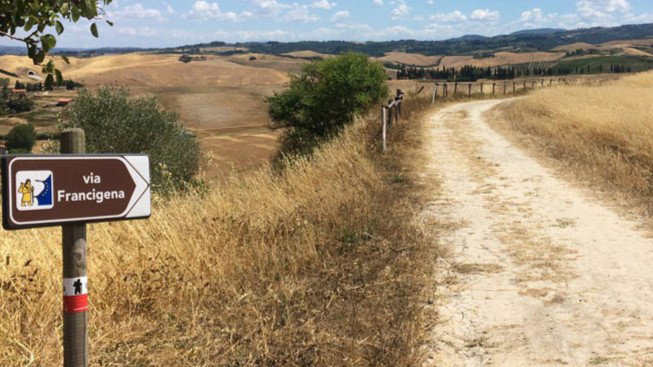
Via Francigena: the road that crosses
Europe and passes through Lucca
Some journeys begin when we arrive at a place. Others begin much earlier, the moment we decide to walk towards it.
The Via Francigena belongs to this second category. Much more than a long-distance trail, the Francigena is an ancient European route that, for centuries, connected territories, cities, and cultures towards Rome. Today, transformed into one of the great cultural routes of EuropeIt allows one to journey through history not from the window of a train or a car, but at the slow pace of one's own steps.
What is it and what is its historical significance?
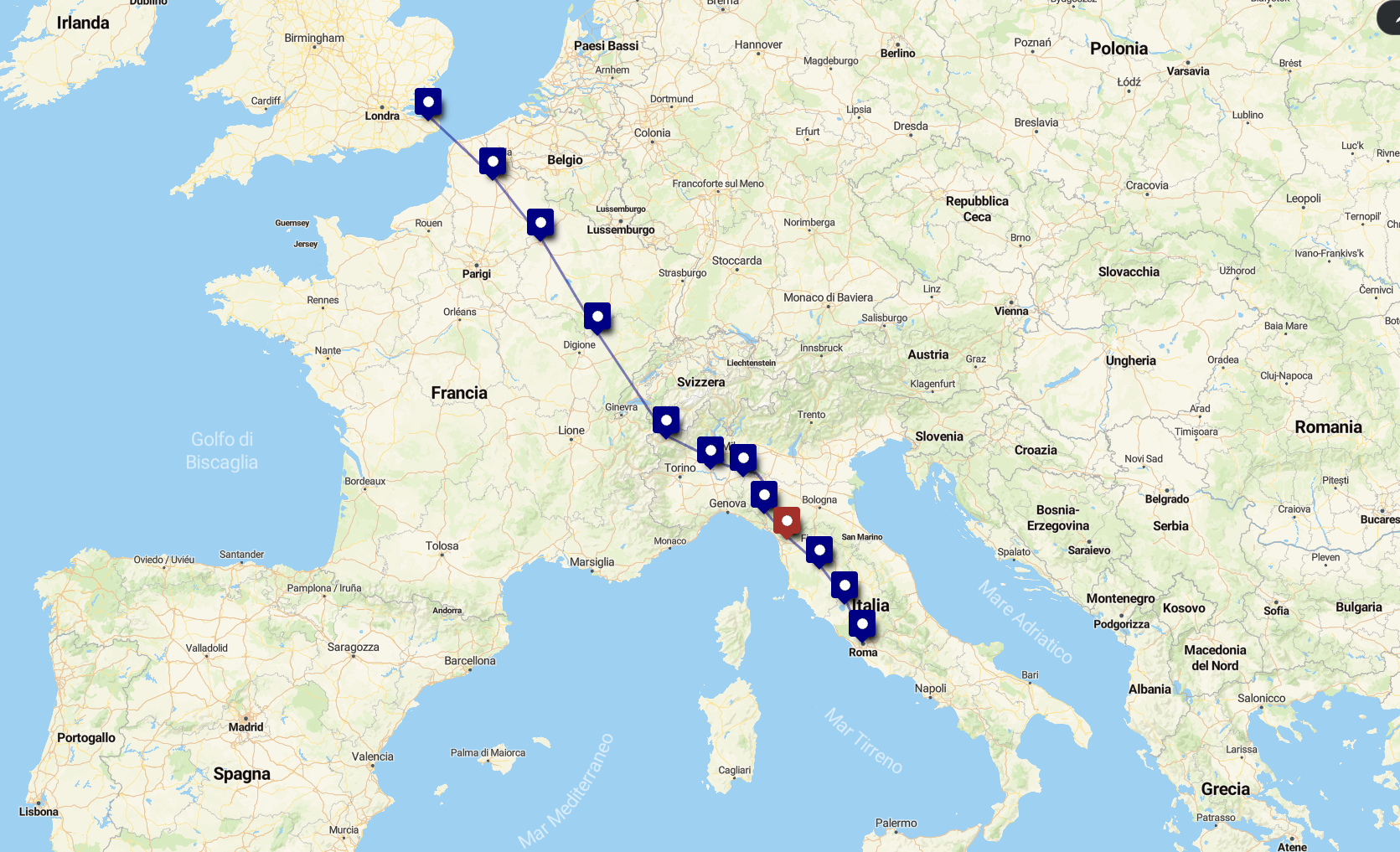
This is a a network of roads spanning approximately 3,200 kilometers that connects Canterbury, England, to St. Peter's Square, Vatican City, crossing France, Switzerland and Italy.
Its medieval layout is based on the diary of Sigeric, Archbishop of Canterbury, who in 990 AD recorded the 79 stages of his return after meeting with the Pope in Rome. Recognized in 1994 by the Council of Europe as a European Cultural Route, the route had a role that went far beyond faith:
- Circulation of Knowledge: It functioned as the main artery of Western Europe, where pilgrims, merchants, artists, and diplomats passed through.
- Urban Development: The constant flow of travelers spurred the emergence of bridges, inns, and fortified cities.
- Contemporary Tourism: Today, the restructured route attracts hikers and cyclists seeking heritage, nature, and a chance to slow down.
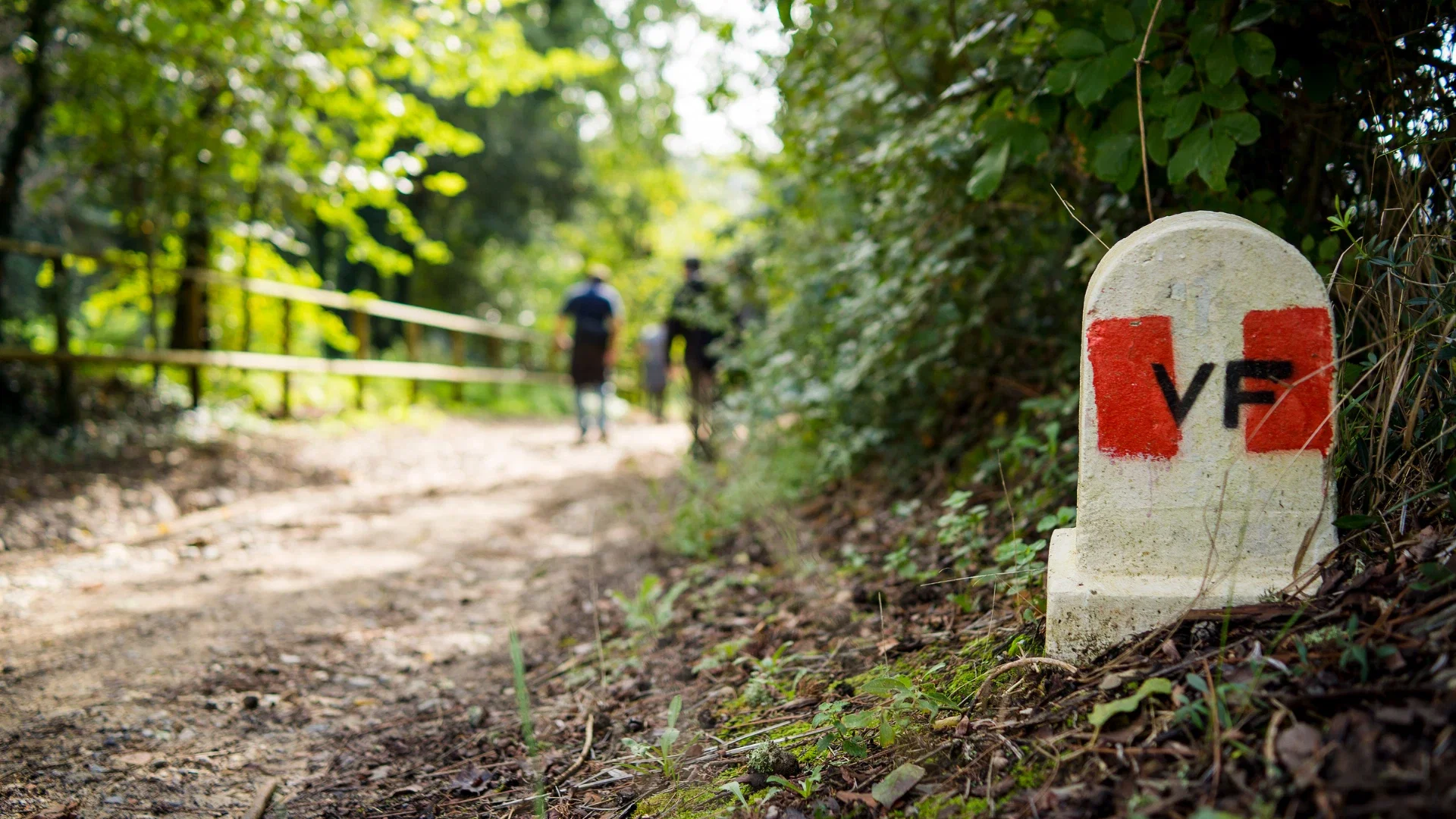
The Lucca Paper on the Francigena
Lucca occupies a strategic position on the Tuscan stretch of the route. The city's relationship with the route occurs in three dimensions:
- Historic Waypoint: In the Middle Ages, Lucca was a mandatory stop due to the security of its fortifications and devotion to [Saint Anthony]. Holy Face, the famous image of Christ preserved in the Cathedral of San Martino, which attracted travelers from all over the continent.
- Geographic Landmark: The official leg that comes from the north, from Camaiore The route is 26.1 km long, passing through Monte Magno and the Serchio River, and ends at the gates of Lucca. From the city, the route continues south towards... Altopasciorevealing an authentic Tuscany, far from the tourist buses.
- Current Starting Point: According to data from the European Association of Vie Francigene, Lucca is currently the most popular starting point for those who decide to travel segmented stretches of road in Tuscany, thanks to its excellent urban and transport infrastructure.
Why does the route remain current?
There is no single reason to travel the Via Francigena. Some seek a spiritual dimension, some look for history, or some simply want to spend a few days away from the fast pace of everyday life.
But Francigena's greatest strength is giving time back to the journey. In an era where technology seeks to eliminate travel time, the path does the opposite: it invites the traveler to experience distance.
The journey doesn't have to end in Rome to make sense. A week, or even a single day, walking from Lucca already transforms the perception of the trip. By staying a few days in the city and then setting off on foot, the walls and churches cease to be mere tourist monuments and become part of a living history.
Before leaving
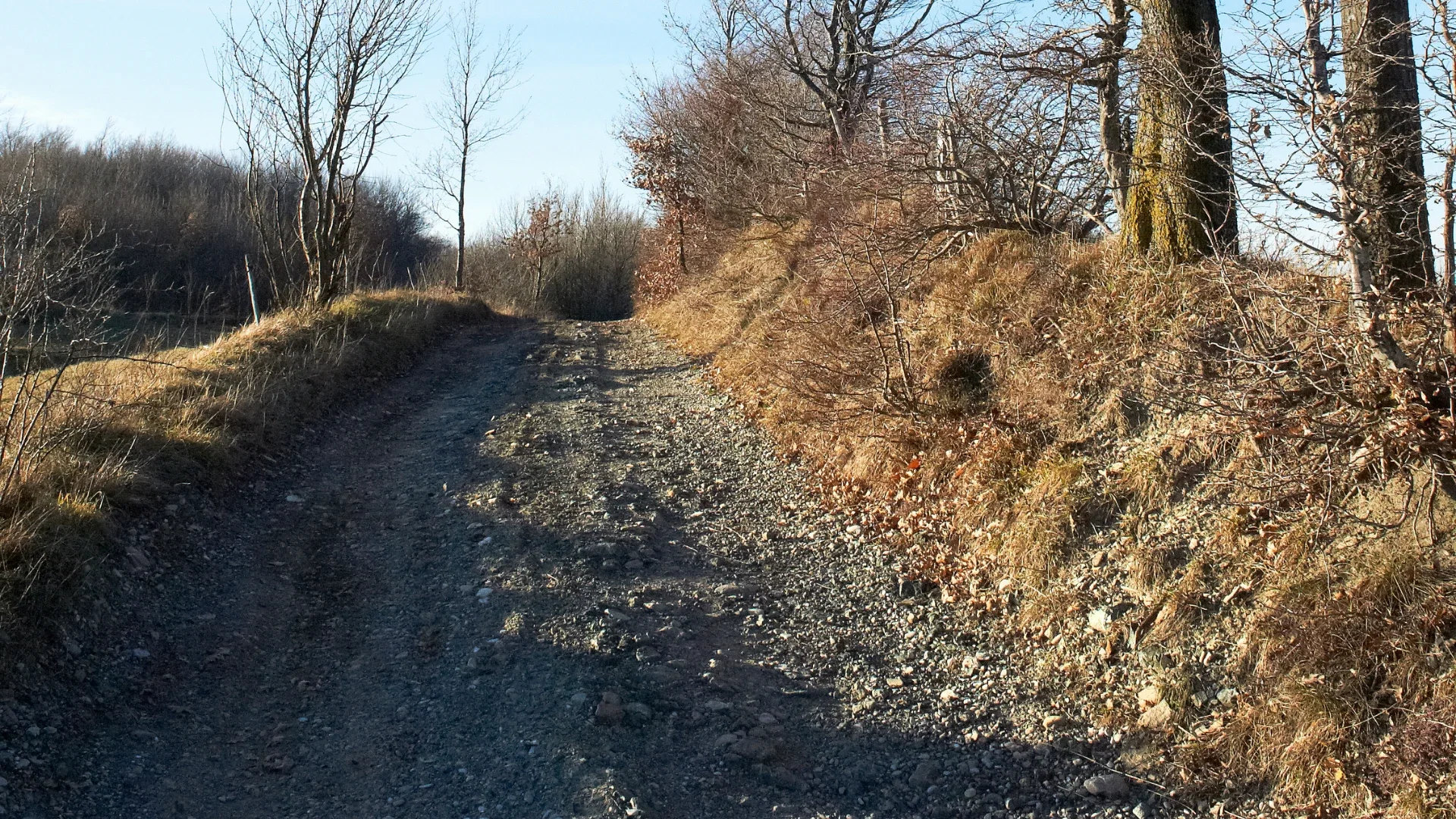
Planning requires attention to the weather. The months of May, June, September and October They offer the most favorable conditions for hiking. The route features official apps, guides, and the traditional pilgrim's credential.
For those who choose Lucca as a starting or ending point, the essential advice is simple: don't rush. On a route designed for walking, moving slowly is the only way to experience the journey.