Buti: where tradition, nature, and culture meet in experiences that value the territory.
Among centuries-old olive groves, historical routes, olive oil tastings, and cultural visits, Buti shows how well-organized local initiatives can transform the discovery of a territory into an enriching experience.
There are small towns in Tuscany that surprise not only with the beauty of their landscapes, but also with the way they preserve, share, and value their history and traditions.
Buti is one of them!
During my participation in three activities organized in the city, I had the opportunity to learn more about the richness of the territory, its tradition linked to olive oil production, and the care with which the community promotes initiatives that bring together culture, nature, gastronomy, and knowledge.
More than just tours or visits, these were very well-structured experiences, with content, purpose, and special attention to the quality of each activity.
An e-bike ride through the olive groves of Buti
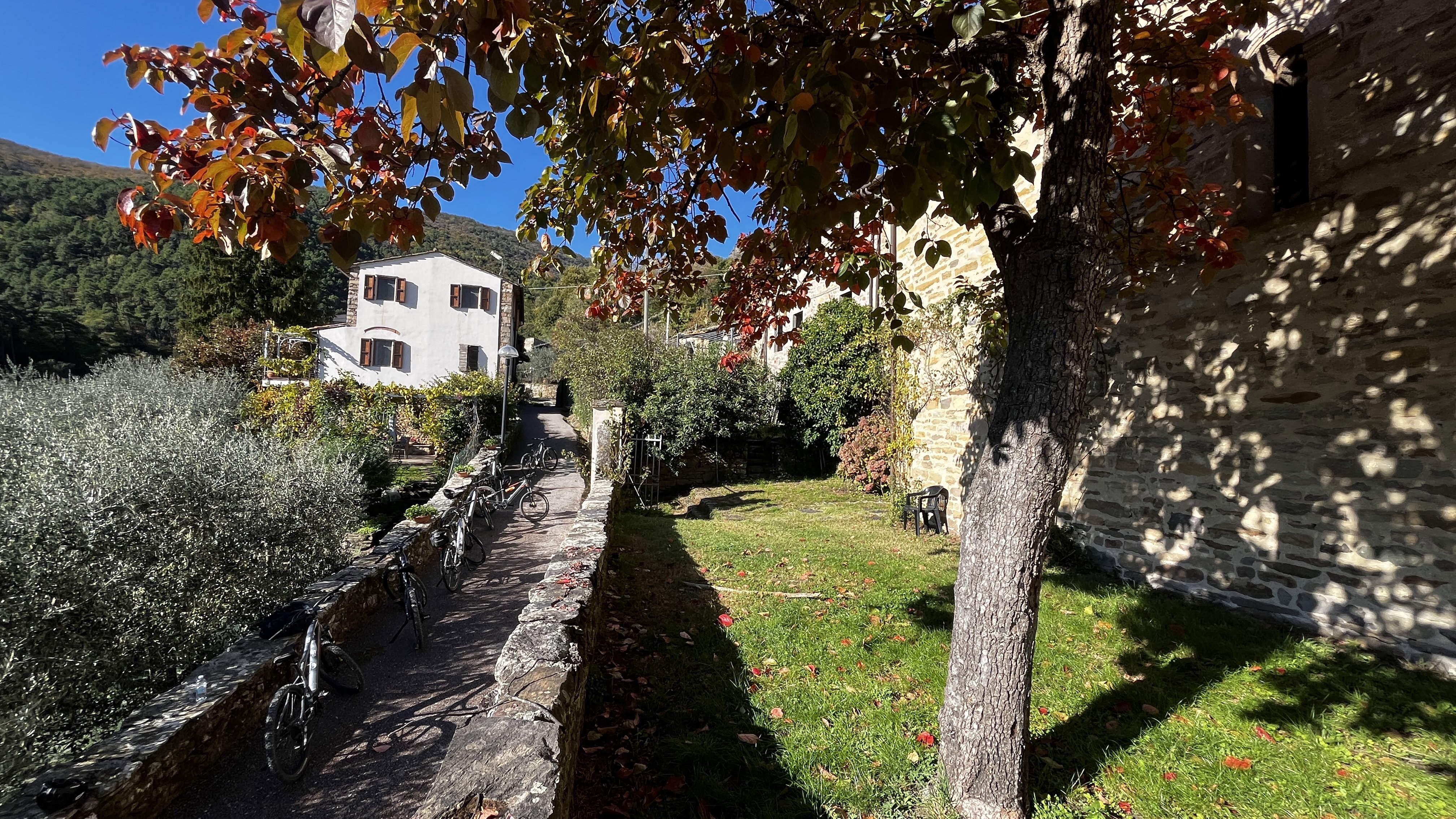
The first experience was the tour. “E-bike among the olive trees”, organized by Bikes in FreedomThe idea was to discover Buti in a different way, exploring its hills on electric bikes, accompanied by a guide.
Along the way, we passed through landscapes characteristic of the region, including olive groves, historic paths, and beautiful views of the surrounding area.
The script included Church of Santa Maria della Neve, the climb towards cross of St. Agatha and the visit to the old Tonini CastleThe building, recently revitalized, is very beautiful and houses a museum dedicated to the history and culture of the people of Buti. During the visit, we also had the opportunity to learn more about the local olive oil tradition and taste olive oil produced in the region.
One of the most interesting aspects of the tour was precisely the opportunity to walk through the centuries-old olive groves and understand the historical importance of olive cultivation for the region.
The electric bicycle made the ride accessible and enjoyable, allowing visitors to appreciate the route without physical exertion being an obstacle. It was an original way to explore the area, combining outdoor activity, history, and direct contact with nature.
Next, we went to the Oleoteca, where we were greeted by the friendly owner for a an olfactory experience with five olive oils from different origins.It was an interesting opportunity to explore aromas and understand how each olive oil presents its own characteristics, expanding our knowledge about this product that is so representative of Tuscan culture.
This combination of experiences allows us to understand that the identity of a place is not only in its monuments or landscapes, but also in the knowledge, activities, and customs that are passed down through generations.
Primi sorsi d'olio: discovering the secrets of olive oil
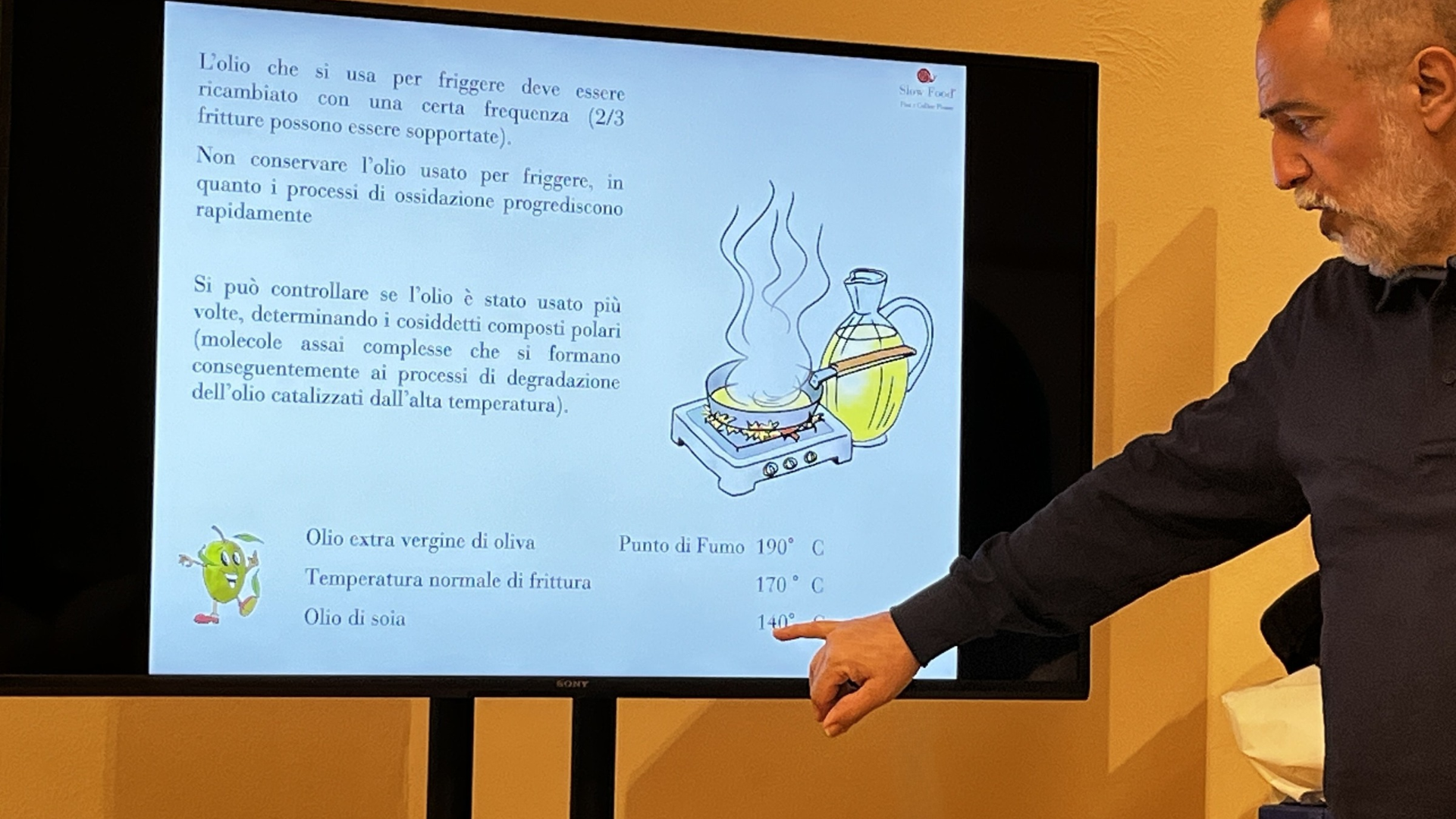
The second activity took place at Castel Tonini and was dedicated to an introduction to olive oil tasting, with the course... “First sips of oil” (first sips of olive oil), organized by Slow Food Pisa.
Here, the experience was completely different, but equally interesting. The meeting offered an introduction to the world of olive oil, showing that recognizing a good product involves much more than simply tasting and identifying its flavor.
We learned how to interpret labels, understand the differences between the EVO, IGP, and DOP classifications, and learn about important aspects of the production process, from the methods used to the harvesting and processing periods of the olives.
The necessary precautions for properly storing olive oil and preserving its characteristics were also discussed.
One of the most interesting moments was the tasting...blind tastings of four different olive oils, conducted in a guided manner, with explanations about its qualities, aromas and sensory characteristics.
It was an opportunity to learn to look at olive oil more carefully, recognizing the work, knowledge, and tradition that go into each bottle.
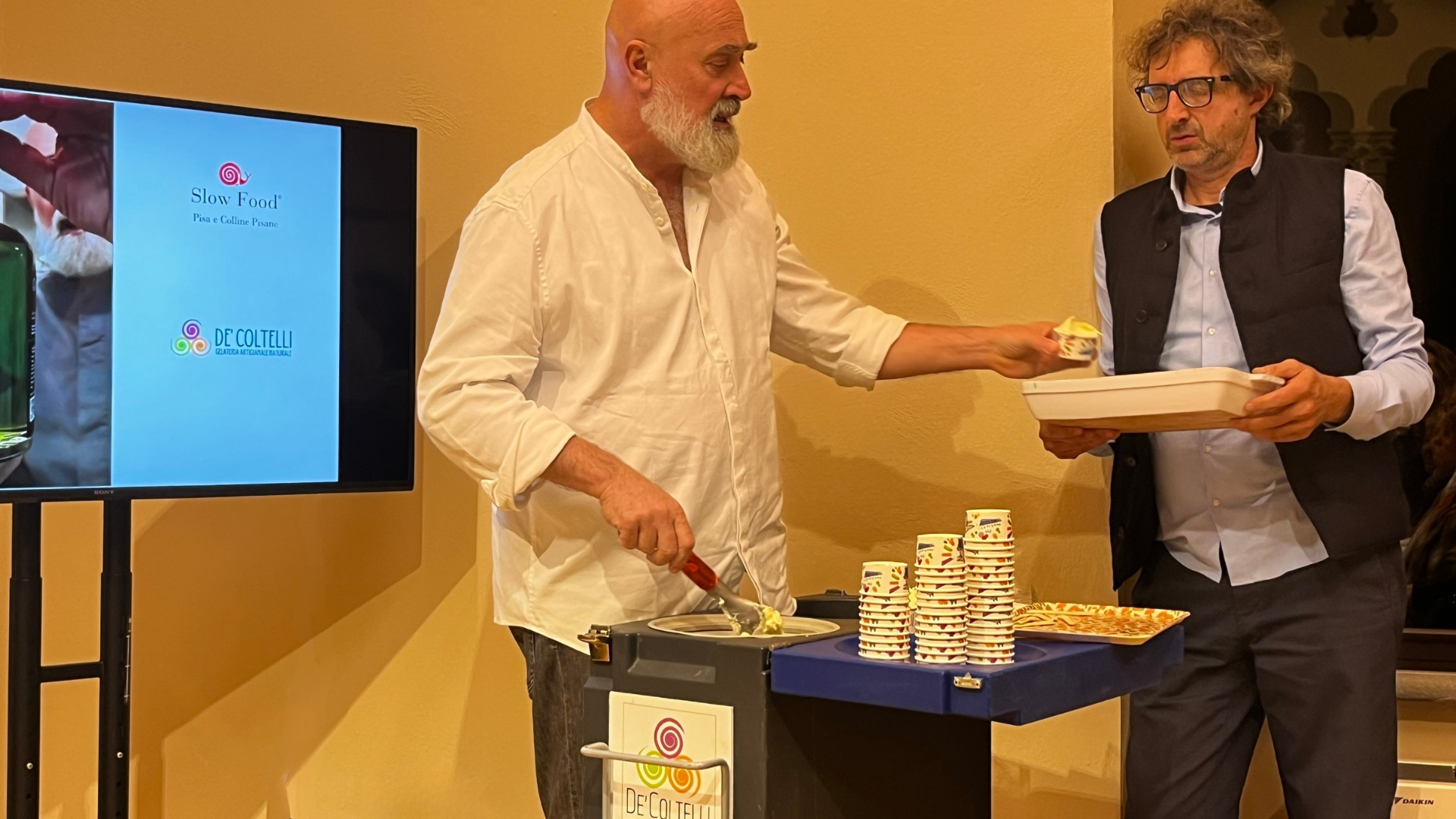
To complete the experience, we also had a delightful surprise: a tasting of olive oil gelato, offered by... De' Coltelli Ice Cream ShopA surprising and very tasty combination, which showed how such a traditional ingredient can gain new interpretations in gastronomy.
A proThe value of a product so present in Italian gastronomy and, especially, in the agricultural identity of Tuscany, is evident in this creation. The gelateria's commitment, which has the search for the best raw materials as one of the pillars of its work, was also evident in this creation. After all, as Gianfrancesco Cutelli points out, "the secret to good gelato lies in the selection of ingredients."
All these activities allowed us to better understand the value of a product so present in Italian gastronomy and, in particular, in the agricultural identity of Tuscany.
Visit to the Rossoni Oil Mill and Castel Tonini
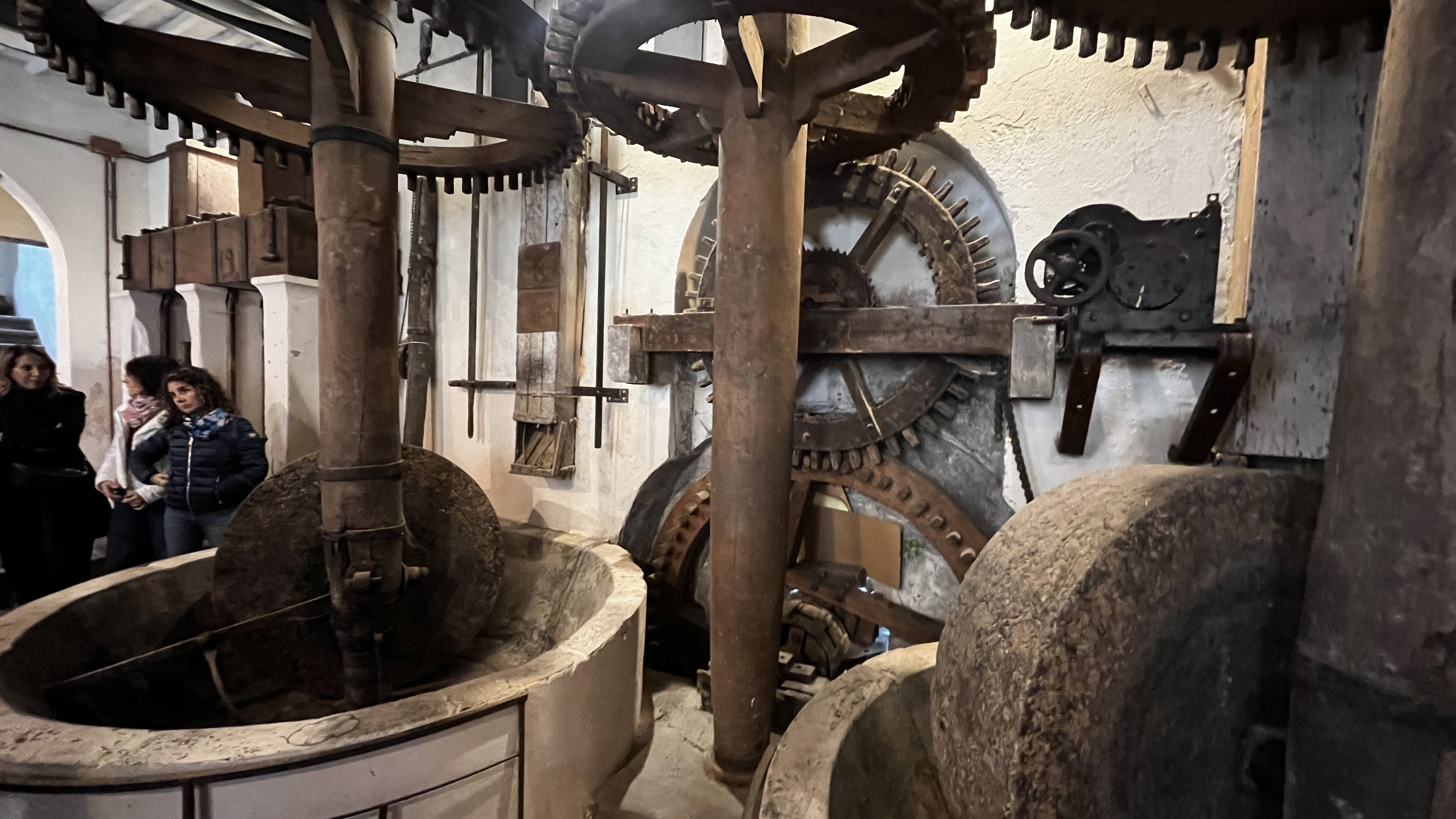
The experience of the guided tour of Rossoni Oil MillThis is a traditional space dedicated to olive oil production. The visit allowed us to get a close look at the production environment and better understand some stages of the process, as well as realize the importance that this activity represents for the history and local economy.
Initiatives that deserve recognition.
What struck me most about these three activities was the overall quality of the initiative.
The program successfully combined different but complementary offerings: an outdoor experience, an educational activity dedicated to olive oil culture, and visits that bring the public closer to the history and local production.
Also noteworthy is the involvement of specialized organizations and professionals, such as Bikes in Freedom and Slow Food Pisa, contributing to offering experiences with content and quality.
Another important point was the possibility of participating in the activities free of charge, by reservation. This demonstrates a concern for expanding access for the population and visitors to cultural and educational experiences, without sacrificing a well-structured program.
It is initiatives like these that help to value small towns, encourage knowledge of the territory, and strengthen the relationship between tradition, community, and tourism.
Buti, a discovery that goes beyond the landscape.
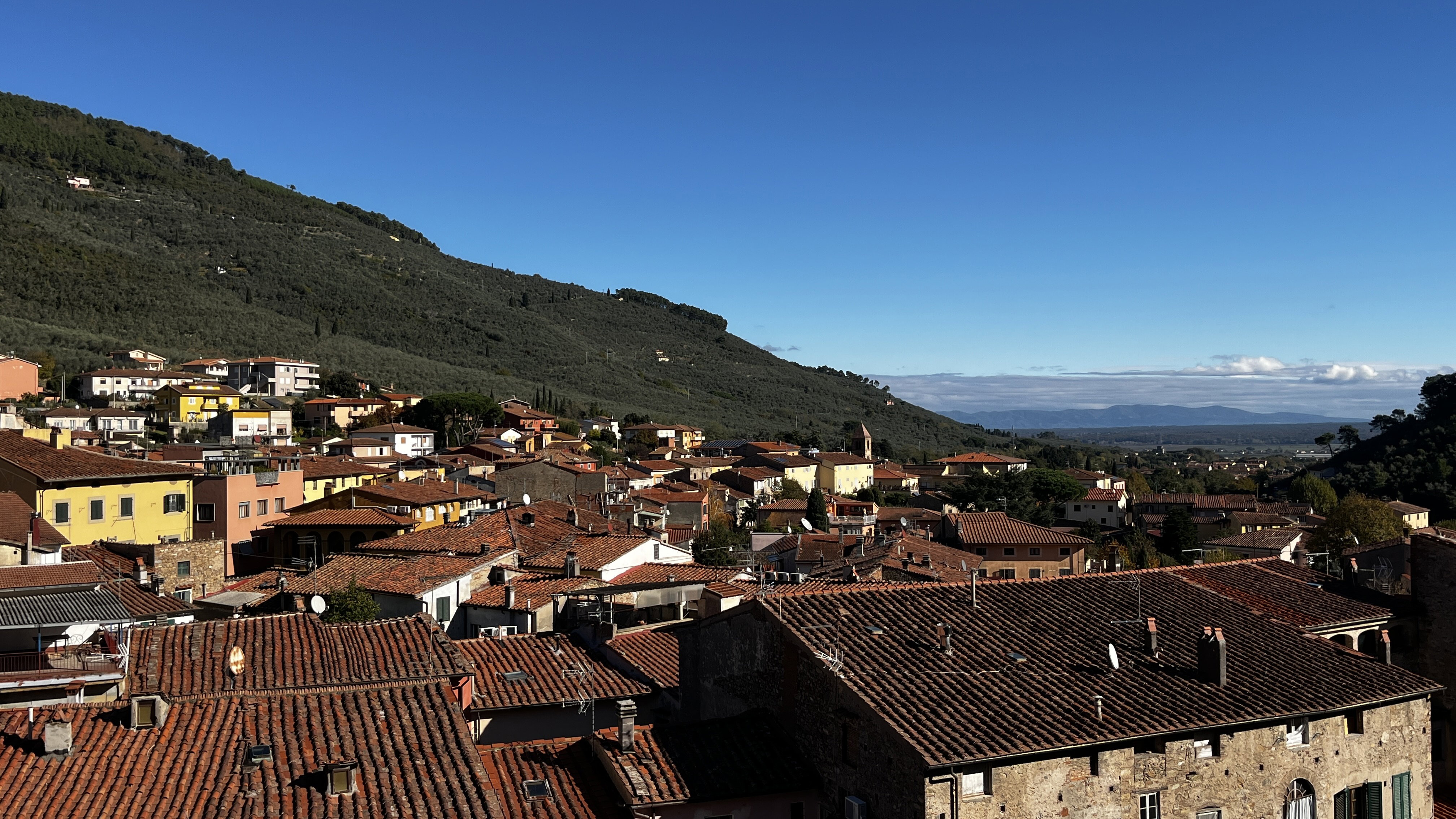
Buti may not be among the best-known destinations in Tuscany for first-time visitors. However, experiences like these show how worthwhile it is to look beyond the traditional tourist routes.
Among its hills, olive groves, historical buildings, and agricultural traditions, there is a local identity that deserves to be known and valued.
I came away from these activities with a very positive impression, not only because of what I learned, but mainly because of the quality and care shown in the organization of each experience.
It is important to recognize and promote initiatives that preserve local culture, share knowledge, and offer new ways to discover Tuscany.
Buti is an example of how a small town can reveal much about its history and identity when it opens its doors to share what is most authentic about it.
And it is precisely these discoveries that make the experience of living in and getting to know Tuscany go far beyond the most well-known destinations.
By ToscanaLucca | A look at Tuscany from someone who lives in and loves the region.