Understanding how Italy is organized
To understand the place before belonging to it.
Region, Province and Municipality: understand Italy before moving here
Before discussing visas, rent, or cost of living, there's an invisible layer that organizes everything: the Italian administrative structure. Those coming from Brazil tend to skip this part because it seems like abstract bureaucracy. It's not. Understanding how Italy is divided explains why two places 40 minutes apart can have different taxes, healthcare systems with different waiting lists, and even different accents.
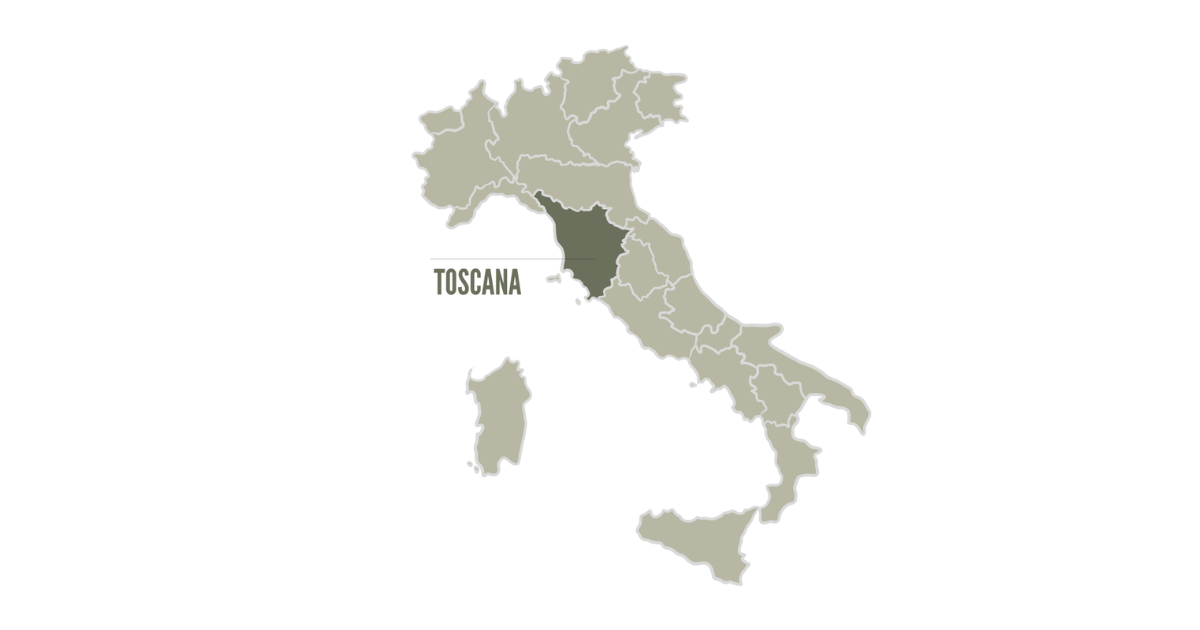
Italy is divided into 20 regions, somewhat comparable to Brazilian states: each has its own government, accent, cuisine, and a strong sense of regional identity. To say that someone lives in Tuscany is not just to indicate a point on the map, it is to describe an entire culture.
Within the regions are the provinces, groupings of neighboring cities; Tuscany has ten. The most relevant division for daily life, however, is the comune, the equivalent of a municipality, responsible for public services and resident registration, a mandatory starting point for anyone thinking of moving here.
Italy in three layers
Italy is organized into three administrative levels, from the broadest to the most specific:
Region: Regional government, with its own autonomy | 20
Province Grouping of neighboring municipalities | 107
(93 Provinces + 14 Metropolitan Cities)
Common: Municipality | 7.900
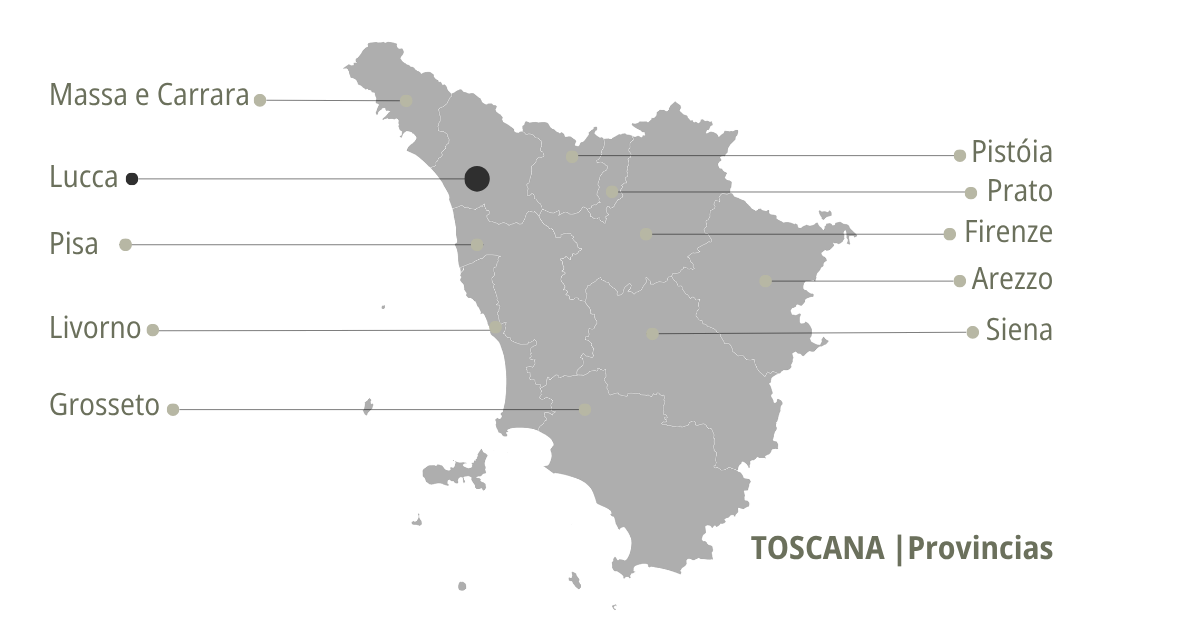
Comune: where life really happens! What does this mean in practice for those who are migrating?
Who is researching cost of living? You need to look at each comune individually, not region by region. Living within the walls of Lucca has a different cost of living reality than living in a village in Garfagnana, even though they are in the same province.
Who is organizing the visa or residency? You will deal directly with the comune (municipality) during the iscrizione anagrafica (registration) process, usually after you have already formalized a rental or property purchase agreement.
Anyone who wants to truly understand the local culture. You'll realize that identity doesn't stop at the region. Lucca has a distinct personality from Pisa, even though they are neighbors and part of the same Tuscany. Each comune preserves traditions, festivals, and even historical rivalries with its neighbors.